Amsterdam as a Homeport: What a Baltic Summer Looks Like
Most travelers treat Amsterdam as a stopover. A night before the flight, a canal walk, a museum if the timing works. Used as a starting line instead, it changes the shape of an entire northern summer.
Shorter transfers, a real city on either end of the sailing, and access to Scandinavian and Baltic ports that stay lit until nearly midnight. Here is what that season actually looks like and who it suits.
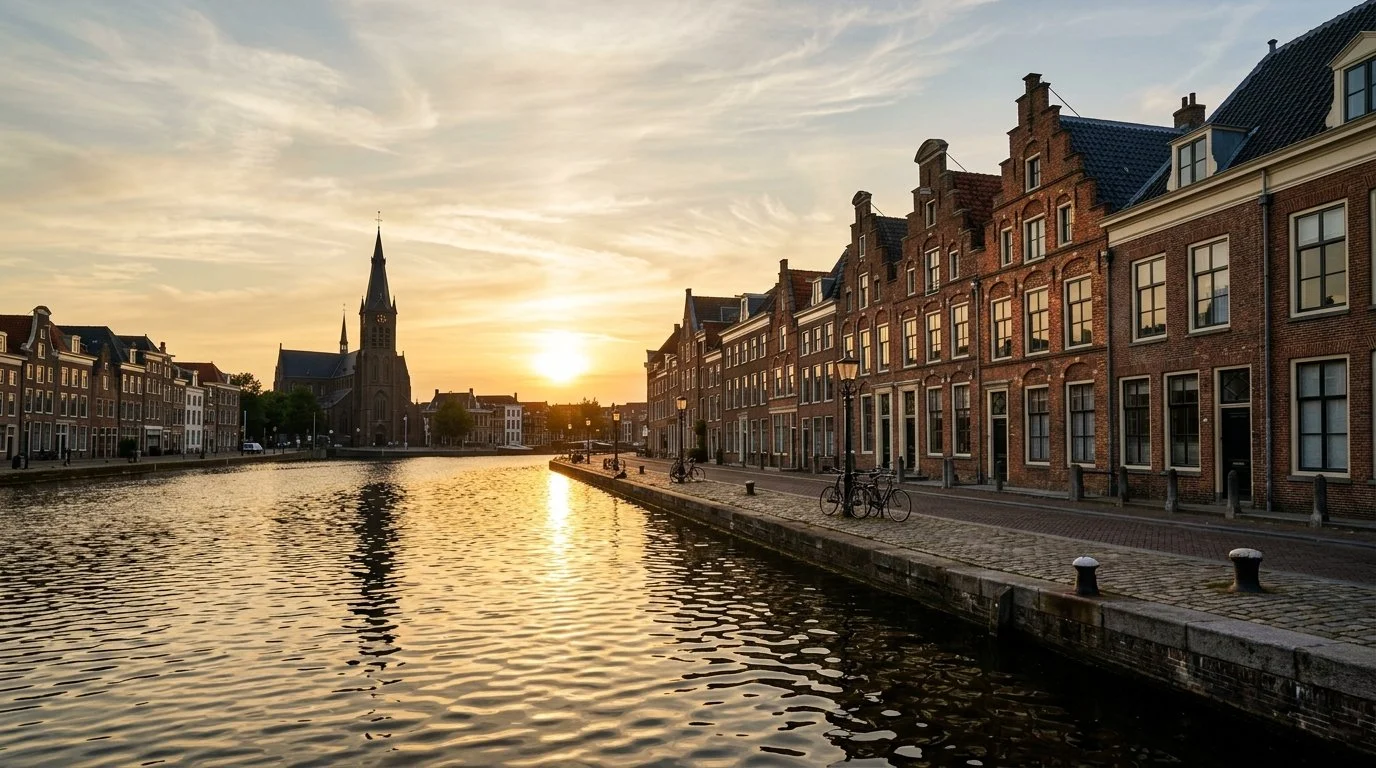
Why the Homeport Decides the Trip
Northern Europe itineraries run from several different starting points, and the choice shapes more than the first day. Sailing from a homeport with a genuine international airport and a city worth two nights means your trip has bookends. Sailing from a port that is essentially an industrial terminal an hour outside a small city means your trip has a commute.
Amsterdam sits in the first category and does it unusually well. The airport is one of the best-connected in Europe, the transfer into the city is short and reliable, and the terminal area is close enough to the center that a pre-sailing morning is actually usable rather than theoretical.
That matters more from South Florida than it does from the Northeast. A transatlantic arrival needs a buffer night regardless, so the question is not whether you spend a night somewhere — it is whether that night is spent in a city you are glad to be in.
The Light Is the Point
The single thing nobody prepares travelers for is the northern summer light. At those latitudes in June and July, dusk does not really finish. The sky goes a deep blue somewhere around eleven and starts brightening again well before most people are awake.
This is not a novelty, it is a structural feature of the trip. Days stretch. An afternoon in port does not end when the light fails, because the light does not fail. Evenings on deck feel like late afternoons. Travelers who plan a northern sailing around the assumption of an eight o'clock sunset consistently underuse the itinerary.
The tradeoff is sleep. Blackout curtains matter here in a way they do not in the Caribbean, and anyone who sleeps badly in light rooms should hear that before booking. It is a small thing that becomes a large thing by night four.
The Ports That Earn the Season
A good northern itinerary is a collection of genuinely distinct cities rather than variations on a theme, which is the opposite of how most warm-water cruising works.
The Scandinavian capitals are polished, walkable, and designed to be experienced on foot and by water. Expect maritime history, serious design culture, and food that has quietly become some of the most interesting in Europe. The Baltic ports are older, denser, and more architecturally dramatic, with medieval cores that survived in a way most of Western Europe's did not.
Then there are the German and northern European ports, which tend to be the practical access points for inland cities worth a full day. These require the most planning, because the port and the destination are often not the same place, and the difference between a well-organized day and a wasted one is decided before you board.
The insider note we give clients: in this part of the world, the best days are the ones where you have arranged your own small-group transport rather than joined a coach. Distances inland are real, the coach schedule is built around the slowest possible group, and a private car recovers two to three hours per port day. Across a week, that is an extra day of trip.
Who This Season Actually Suits
Northern Europe suits travelers who want cities, culture, and cool weather, and who would rather walk a medieval square than sit on a beach. It suits repeat cruisers who have exhausted the Caribbean and want an itinerary where every port is a different country and a different language.
It does not suit travelers looking for water time. The sea is cold, the pools are largely decorative, and the ship is transport and hotel rather than destination. Anyone whose ideal cruise involves a lounger and a swim-up bar should be pointed elsewhere, and we say so rather than book it.
It also demands a real packing conversation. Northern summer swings from genuinely warm afternoons to cold, wind-driven evenings on open water, sometimes in the same day. Layers are not a suggestion. Every season we hear from travelers who packed for the calendar rather than the latitude.
Planning It Properly
The northern season is short, which compresses demand into a narrow window. The best cabin categories and the itineraries with the strongest port lineups move early, and clients working roughly a year out get the sailing they wanted rather than the one that was left.
Air is the other piece. From South Florida the routing options into Amsterdam are good, which is part of the argument for it as a homeport, but the connection strategy still decides whether you arrive functional. We build in the buffer night by default and use it as a real part of the trip.
Wilton Vida plans a northern summer as a single journey rather than a sailing with flights attached. Through our Travel Leaders Network affiliation we reach cabin inventory and onboard amenities that never surface on a public booking page, and our Marriott Platinum Elite standing gives clients genuine leverage on the Amsterdam nights that frame the trip. We also have opinions about which itineraries use their port days well, and we share them before deposits move.
If a northern summer is what you have been picturing, the conversation to have is about homeport and timing, not which filter to check.
Estamos aquí para acompañarte en cada paso del camino.
Ready to start planning? Reach out to our team at wiltonvida.com or connect with us on WhatsApp at https://wa.me/message/YUIL7UEHTZDAM1.