Everyone asks which one is better. That is the wrong question. River cruising and ocean cruising are different products that happen to both float, and the right answer depends entirely on what you want your mornings to look like.
Here is how to tell which one is yours before you spend a dollar.
The Structural Difference
An ocean ship is a destination. It carries somewhere between a few hundred and several thousand guests, it has multiple restaurants, entertainment venues, a spa, and enough deck space that you can spend a full day aboard without repeating yourself. It calls at ports, but it also has sea days, and those sea days are part of the product rather than a gap in it.
A river vessel is transport with a very good hotel attached. It typically carries between one and two hundred guests, it has one main dining room and one lounge, and it is tied up alongside a town almost every single day. There are no sea days because there is no sea. The vessel moves at night or during a scenic stretch, and the rest of the time you are off it.
Everything else follows from that structural difference. When people say they loved one and hated the other, this is almost always what they are actually describing.
Who River Cruising Actually Suits
River works for travelers who want to see a lot of places without ever packing a bag twice. You wake up in a new town most mornings, you walk off the vessel directly into it, and there is no tender, no terminal, and no queue. For anyone who has spent a morning waiting for a tender ticket, that alone sells the category.
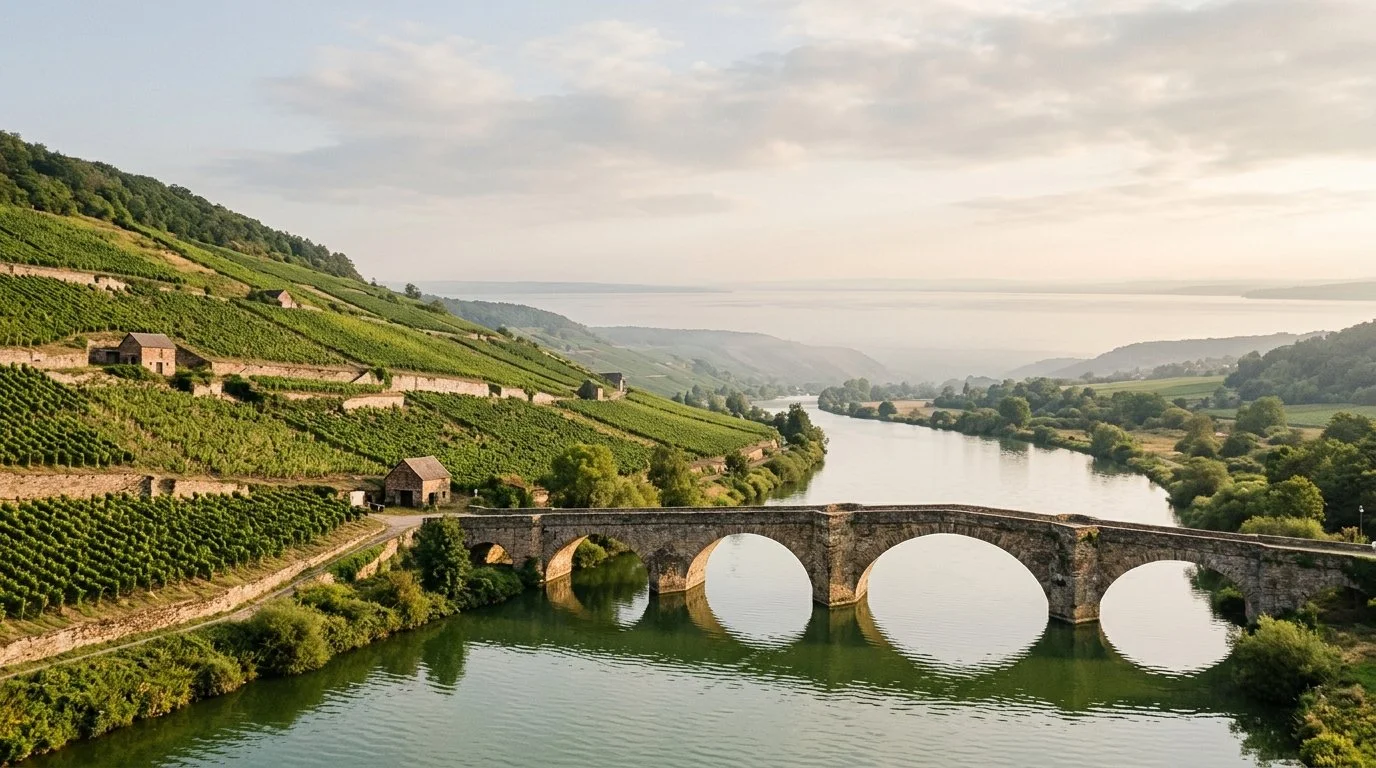
It also suits travelers who want the countryside rather than the coastline. The great European rivers run through the interior, which means vineyards, castles, cathedral towns, and farmland close enough to see clearly from the deck. The scenery is continuous rather than something you arrive at.
River vessels are typically adults-oriented, and most carry no children at all. For couples looking for quiet, that is a feature. For multigenerational groups, it is a problem.
The honest limitations: the vessels are small, so there is one dinner venue and one bar, and if you do not like the room you are in you cannot escape to a different part of the ship. Cabins are compact by ocean standards. Water levels can occasionally force itinerary changes, particularly late in a dry summer, and the operators handle it with buses when they must. And the days are dense. A new town every morning is wonderful for two weeks and exhausting for some people by day five.
Who Ocean Cruising Actually Suits
Ocean works for travelers who want choice. Multiple dining rooms, a real spa, a proper theater, several bars with different characters, and the freedom to have a completely different day than your travel companions and meet for dinner. On a river vessel, everybody has roughly the same day.
It suits anyone who genuinely enjoys being at sea. A sea day with a book, a view of nothing but water, and no obligation to be anywhere is one of the few remaining forms of true rest, and river cruising cannot offer it.
It also suits families and mixed groups. Kids clubs, teen spaces, and enough square footage that three generations can coexist without friction. And it suits travelers who want to cover more geography, since ocean ships move faster and farther overnight than a river vessel possibly can.
The honest limitations: port days can feel crowded, because several thousand people are disembarking into the same small town you are. Tendering costs time. The most interesting ports for a large ship are coastal by definition, so the interior of a country stays out of reach unless you build a land segment. And scale cuts both ways. What reads as abundant choice to one traveler reads as a shopping mall to another.
The Question That Actually Decides It
Skip the brochures and answer this instead. Picture your ideal vacation morning. If you are walking into a market square in a town you have never seen, coffee in hand, with a cathedral to find before lunch, you want a river. If you are on a lounger with a view of open water and nowhere at all to be, you want an ocean.
Most travelers know the answer immediately once the question is framed that way. The ones who genuinely want both are usually best served by an ocean itinerary with a longer land segment on the front end, or by doing both categories in the same year and settling the argument permanently.
Wilton Vida asks a version of that question before we recommend anything, because a beautifully priced itinerary in the wrong category is still a wasted week. Through our Travel Leaders Network affiliation we reach amenities and cabin inventory that do not appear on public booking sites, and our Marriott Platinum Elite standing gives clients real leverage on the pre- and post-cruise hotel nights that shape a long-haul trip. We also tell clients when the category they asked for is the wrong one, which is the part a search engine will never do.
If you are weighing a first Europe cruise, the useful next step is a short conversation about how you actually like to spend a day.
Estamos aquí para acompañarte en cada paso del camino.
Ready to start planning? Reach out to our team at wiltonvida.com or connect with us on WhatsApp at https://wa.me/message/YUIL7UEHTZDAM1.