Sailing Into the Future: What the New Wave of Luxury Yachts Means for Your Next Vacation
For years, the biggest names in luxury hospitality stayed on land. That’s changed. Four Seasons, Ritz-Carlton, and other hotel brands with decades of earned trust have moved onto the water — not by slapping a logo on an existing cruise ship, but by building small, residential-style yachts from the ground up. The result is a genuinely new category of travel, and it’s already reshaping what luxury travelers expect from a trip at sea.
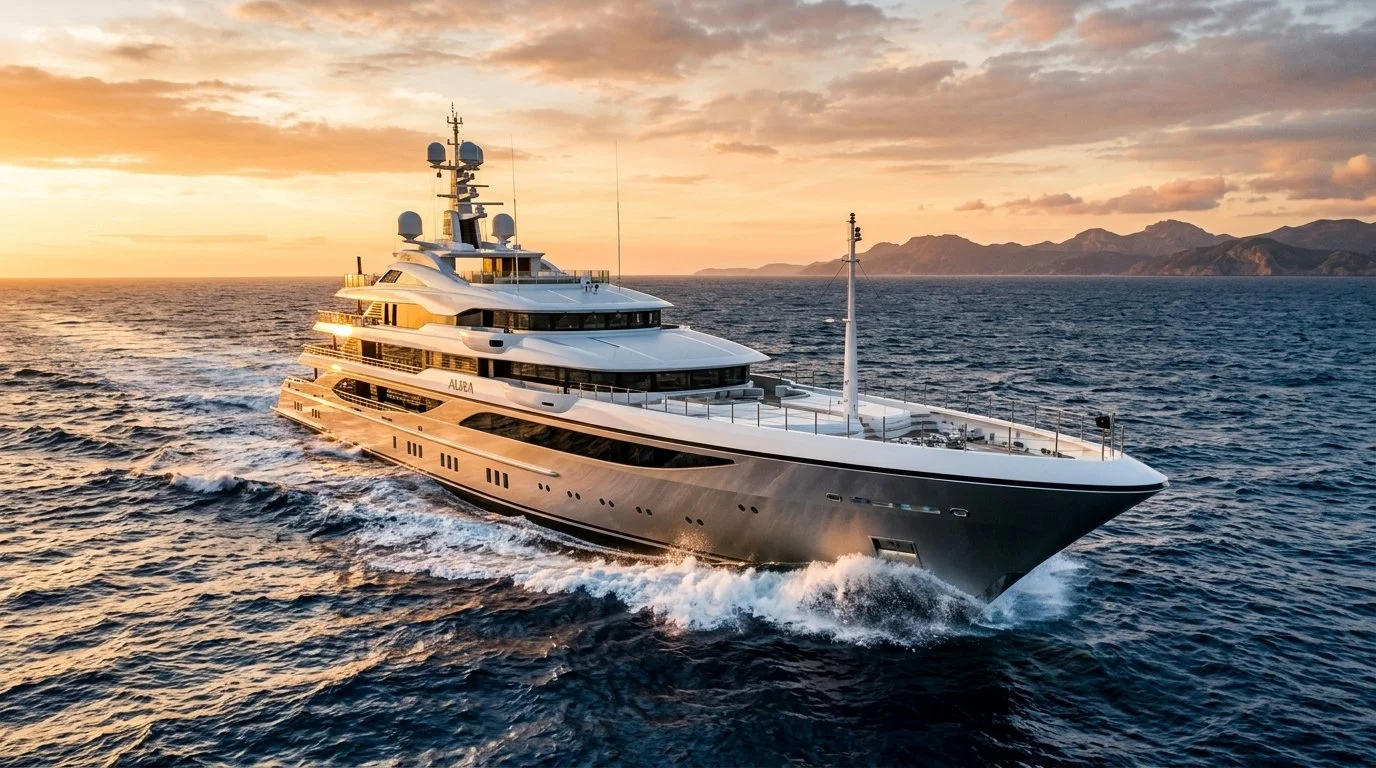
The Hotel Brands Have Arrived at Sea
Four Seasons Yachts launched its first vessel, Four Seasons I, in March 2026, sailing the Mediterranean and Caribbean with 95 suites built to the same residential standard as the brand’s land-based resorts — some suites even connect to create larger family layouts. A second ship, Four Seasons II, is in development with an expanded suite lineup, though its debut has shifted to 2028 as the brand refines the design. Ritz-Carlton has taken a similar approach with its Yacht Collection, putting the same service philosophy that defines its hotels onto a much smaller, more intimate vessel. These aren’t cruise ships with a luxury brand attached — they’re an extension of the hotel experience itself, just afloat.
Why This Is Different From a Traditional Cruise
The defining feature of this new generation of yachts isn’t size — though at well under a thousand passengers, they are dramatically smaller than a mainstream cruise ship — it’s the service model. Suite-based accommodations, higher staff-to-guest ratios, and itineraries built around smaller, harder-to-reach ports mean the experience has more in common with a boutique hotel than a floating resort. For travelers who’ve always loved the idea of a cruise but never loved the scale of one, this category solves that specific problem.
SeaDream’s Head Start
While the hotel brands are new to this space, SeaDream Yacht Club has been running the small-ship, ultra-personal model for decades, with two intimate ships carrying under a hundred guests each. SeaDream is worth understanding alongside the newer entrants — it’s proof the model works, and it gives travelers a useful comparison point when deciding what “small-ship luxury” should actually feel like.
Who This Category Actually Suits
This isn’t the right fit for every traveler. Guests who want a dozen restaurants, a casino, and nightly entertainment will find these ships genuinely limited — that’s not an oversight, it’s the point. But for travelers who want a base to explore a region from, exceptional service without asking for it, and a level of privacy and quiet that mainstream cruising can’t offer, this new wave of yachts delivers something that didn’t really exist in this combination before.
Choosing Between Them
With multiple hotel-brand yachts now on the water or entering it soon, the decision isn’t just “cruise or not” — it’s which brand’s philosophy and itinerary style fits best. Region matters as much as brand: some of these ships focus on the Mediterranean, others on the Caribbean, and itineraries shift seasonally. Getting the match right between ship, region, and travel style is where the real value of working with an advisor shows up.
Curious whether one of these new-generation yachts fits your next trip? Reach out to our team at wiltonvida.com or connect with us on WhatsApp at https://wa.me/message/YUIL7UEHTZDAM1.
Para nuestros clientes de habla hispana: podemos ayudarle a explorar estas nuevas opciones de yates de lujo en español, con la misma atención personalizada.